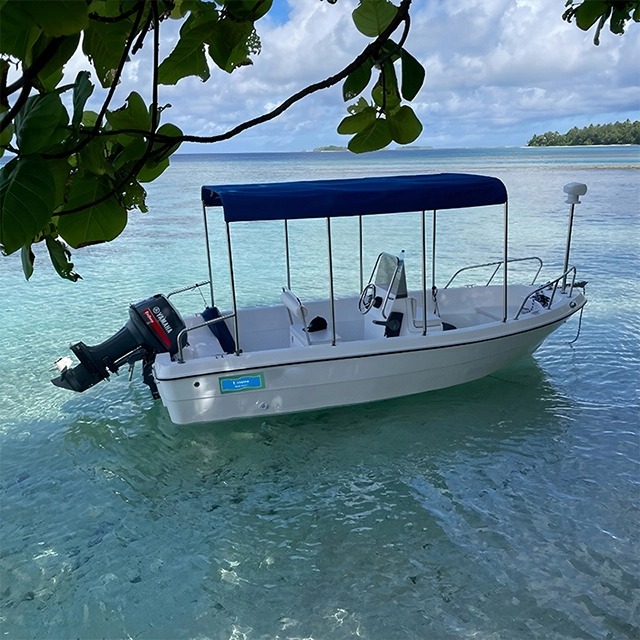
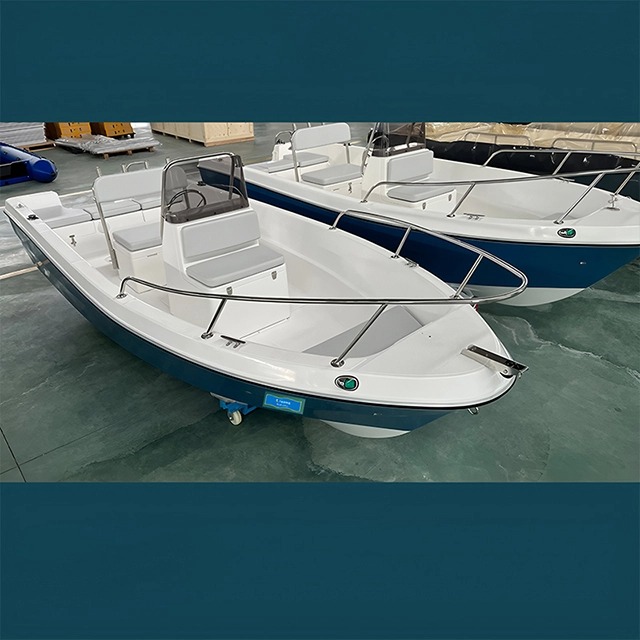
Fishing from a small boat on the open ocean can be an exhilarating experience, offering access to areas that larger vessels cannot reach. However, the safety of small ocean fishing boats in rough weather is a critical concern for many anglers. The question arises: Are small ocean fishing boats safe in rough weather? This article will delve into the factors that affect the safety of small ocean fishing boats, the risks involved, and the best practices to ensure a safe and enjoyable trip in unpredictable conditions.
Understanding the Risks of Small Ocean Fishing Boats in Rough Weather
Small ocean fishing boats, while maneuverable and versatile, are not immune to the dangers posed by rough weather. In fact, their small size and limited stability make them more susceptible to capsizing, being swamped by waves, or encountering engine failure in harsh conditions. To better understand these risks, it is crucial to look at the specific factors that make rough weather dangerous for small boats:
Stability Challenges
Small boats, particularly those without a deep hull or proper ballast, can struggle to maintain stability in rough seas. Even moderate waves can cause the boat to tip or sway dramatically, making it difficult for anglers to remain aboard safely. The lack of weight in the boat, compared to larger vessels, means that it can be more easily tossed by waves or strong winds.
Wave Size and Frequency
The size and frequency of waves are important considerations when assessing rough weather conditions. In open water, waves can range from gentle swells to towering, unpredictable waves. Small boats can handle mild swells, but anything beyond that can quickly become dangerous. It's essential for boat operators to assess weather forecasts, including wave height, before venturing out into the ocean.

Weather-Related Hazards
Weather conditions, such as thunderstorms, high winds, and sudden shifts in temperature, can turn a seemingly calm day into a hazardous situation. Thunderstorms can lead to sudden gusts of wind that cause waves to rise quickly, while temperature changes can lead to fog and reduced visibility. These factors are compounded in small fishing boats, which are more vulnerable to rapid changes in weather.
Are Small Ocean Fishing Boats Designed for Rough Weather?
While it’s true that many small ocean fishing boats are built to endure harsh conditions, they are generally not designed for extreme weather. Most are intended for calmer waters, near the shore or in bays. However, some models are more rugged and can handle rougher conditions. Let’s look at the design elements that affect a boat's performance in challenging weather:
Hull Design
The shape and construction of the hull play a pivotal role in a boat's ability to handle rough seas. V-shaped or deep-V hulls, for example, can cut through waves more effectively than flat-bottomed hulls, which are more likely to "skip" or "pound" over waves. A small ocean fishing boat with a sturdy, well-designed hull can improve the boat’s stability and make it safer in rough conditions.
Material and Build Quality
The materials used to build the boat are equally important. High-quality fiberglass, aluminum, or steel can provide the boat with better durability and resistance to the elements. A well-built small fishing boat will better withstand the forces of nature, including impact from waves and strong winds.
Safety Features
Some small ocean fishing boats are equipped with features designed to improve safety in rough weather. These include bilge pumps, life rafts, outriggers, and even self-righting systems that automatically return the boat to an upright position if it capsizes. These features, while not foolproof, can significantly enhance the boat's ability to stay afloat and functional in adverse conditions.
How to Prepare a Small Ocean Fishing Boat for Rough Weather
While small boats are not inherently unsafe, proper preparation can make a significant difference in ensuring safety when rough weather strikes. Here are some key steps to take before heading out:
Checking the Weather Forecast
The most critical step in preparing for rough weather is understanding the forecast. Always check the weather conditions, including wind speed, wave height, and any warnings or advisories. If conditions seem unpredictable or dangerous, it's best to postpone the trip. Weather apps, marine radio, and other reliable sources should be used to gather the most accurate information.
Equipment Checks and Maintenance
Ensuring that your boat’s equipment is in top condition is crucial for safe operation. Regularly inspect the boat’s engine, fuel system, and electrical components. Confirm that bilge pumps are functioning, life jackets are in place, and communication devices are ready for use. Ensuring that the boat is well-maintained and stocked with safety equipment can prevent potential issues during your trip.
Packing Safety Gear
Packing proper safety gear is essential when venturing out in rough weather. Essential items to include are life vests, flares, a first aid kit, a waterproof flashlight, extra clothing, and emergency food and water supplies. These items will help you respond effectively to emergencies that may arise during your trip.
Practical Tips for Navigating Rough Weather on a Small Ocean Fishing Boat
If you must head out in rough weather, there are practical strategies you can employ to reduce the risk and increase your safety.
Steer into the Waves
When facing rough weather, it’s advisable to steer your boat into the waves, rather than across them. This will reduce the risk of the boat rolling or capsizing. By heading straight into the waves, you can maintain better control and minimize the impact of large swells.
Maintain a Steady Speed
Speed control is essential when navigating rough seas. Going too fast can increase the likelihood of the boat skipping over waves or taking a heavy landing. Conversely, traveling too slowly might cause the boat to get swamped by incoming waves. Maintain a steady, moderate speed to reduce the impact of waves and improve the boat’s overall handling.

Stay Close to Shore
If possible, always try to remain close to the shore when fishing in rough weather. The further out you are, the greater the risk. If conditions worsen unexpectedly, you will have a better chance of reaching land if you are nearby. Keep in mind that even small boats can become stranded if the weather worsens rapidly, so always have a plan for returning to shore quickly.
Conclusion
Small ocean fishing boats can be safe in rough weather, but the risks are undeniable. Their small size, lack of stability, and vulnerability to weather changes can make them less suited for harsh ocean conditions. However, with the right preparation, maintenance, and adherence to safety practices, anglers can reduce these risks significantly.
If you’re planning to take a small ocean fishing boat out into rough weather, make sure to carefully assess the conditions, equip your boat with necessary safety features, and follow practical tips to stay safe. By doing so, you can enjoy the thrill of ocean fishing while minimizing the dangers that come with unpredictable seas.
FAQ
1. What is the best type of small ocean fishing boat for rough weather?
Boats with a deep-V hull, made from durable materials like fiberglass or aluminum, are generally better suited for rough weather. These boats are designed to handle larger waves and provide better stability.
2. How can I improve the stability of my small ocean fishing boat?
Adding ballast, ensuring your boat is well-balanced, and avoiding overloading it can help improve stability. It's also a good idea to distribute weight evenly throughout the boat.
3. How can I predict if the weather will turn rough?
Always check reliable weather forecasts, including wave height, wind speed, and any marine advisories. Pay attention to changes in the wind and sky that might signal a shift in weather.
4. What should I do if the weather suddenly turns bad while I'm at sea?
If you’re caught in bad weather, immediately head back to shore. Steer into the waves, keep a steady speed, and avoid getting caught in dangerous swells. If you can’t make it back safely, use your emergency communication equipment to call for help.
5. Are there any legal requirements for safety equipment on small fishing boats?
Yes, the Coast Guard requires small fishing boats to have specific safety equipment, including life vests, a whistle, flares, and a fire extinguisher. Be sure to familiarize yourself with the legal requirements in your area.